2026 Special Emphasis Series

Throughout the summer, we invite specialists to share their expertise with our guests and staff, both in the field and through evening presentations. Consider timing your visit to coincide with one of our Special Emphasis Series speakers.
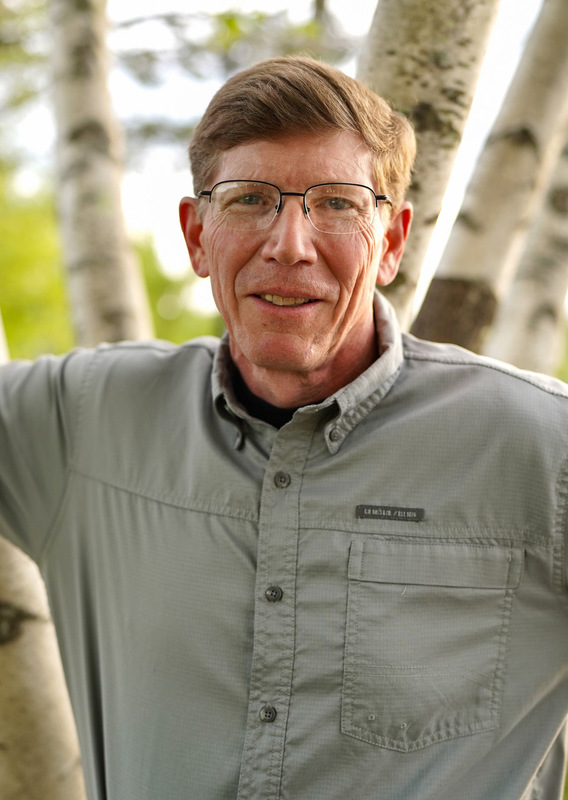
Scott Weidensaul is the author of nearly 30 critically acclaimed books on natural history, including the Pulitzer Prize finalist Living on the Wind and his latest, the New York Times bestseller A World on the Wing. Scott is a contributing editor for Audubon and writes for a variety of other publications, including BWD and Living Bird, and is a Fellow of the American Ornithological Society.
An active field researcher and longtime bird bander focusing on bird migration, he directs a major research project tracking the migration of saw-whet owls, and is part of a continental effort to learn why more and more western hummingbirds are wintering in the East. He is a cofounder of Project SNOWstorm, an ambitious effort to learn more about snowy owl migration. Scott is a frequent visitor to Alaska for more than 40 years, where his work has taken him into almost every corner of the state, including Denali, where he helps direct Critical Connections, a study of the park's migrant birds. A native of Pennsylvania, he and his wife Amy now live in New Hampshire.
Emphasis:
Field trips will focus on Denali’s remarkable breeding birds, which will have just returned from wintering areas as far-flung as Asia, Africa and South America. Bird watchers of all skill levels should find these outings rewarding.
Scott’s two evening presentations will explore the wonders and dynamics of bird migration, and a look at what’s working for bird conservation around the world, based on his upcoming book.
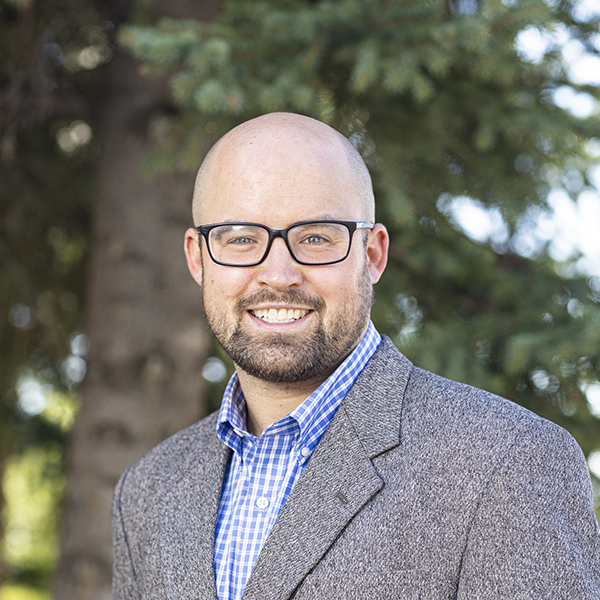
Philip Wight is an Associate Professor of History and Arctic & Northern Studies at the University of Alaska Fairbanks. He is an energy and environmental historian, with a focus on infrastructure, mobility, and climate. He teaches classes in Alaska history, the contemporary history of the circumpolar north, as well as energy and climate history.
Dr. Wight is currently finalizing a book manuscript, Arctic Artery: The Trans-Alaska Pipeline System and the World it Made, based on his doctoral research. To be published for the pipeline’s 50th anniversary, Arctic Artery tells the story of the most consequential pipeline system in American history and how it transformed the Pacific Rim from the North Slope to Panama. His other research has investigated the origins of green consumerism, the electrification of Alaska, and the history of Alaskan nuclear power.
Beyond his academic scholarship, Philip is deeply involved in modernizing Alaska’s electric industry. He worked as a policy expert for the Alaska Public Interest Research Group and led the successful passage of Alaska’s community solar legislation (SB152) in 2024. He was honored as a “Community Solar Champion” for these efforts. He currently serves as the Chair of the Golden Valley Electric Association’s Member Advisory Committee.
When not in the archives or tinkering with off grid solar systems, Wight could be found cycling, packrafting and skiing throughout Alaska.
Emphasis:
Phil will be speaking about Alaska’s energy history, from the biotic flows which have sustained Alaska’s peoples for centuries to the large sociotechnical systems which sustain Alaska’s contemporary economy. He will also offer a perspective on the changing meaning of roads in Alaska, from historic symbols of progress to unwelcomed invasions that threaten traditional lifeways.
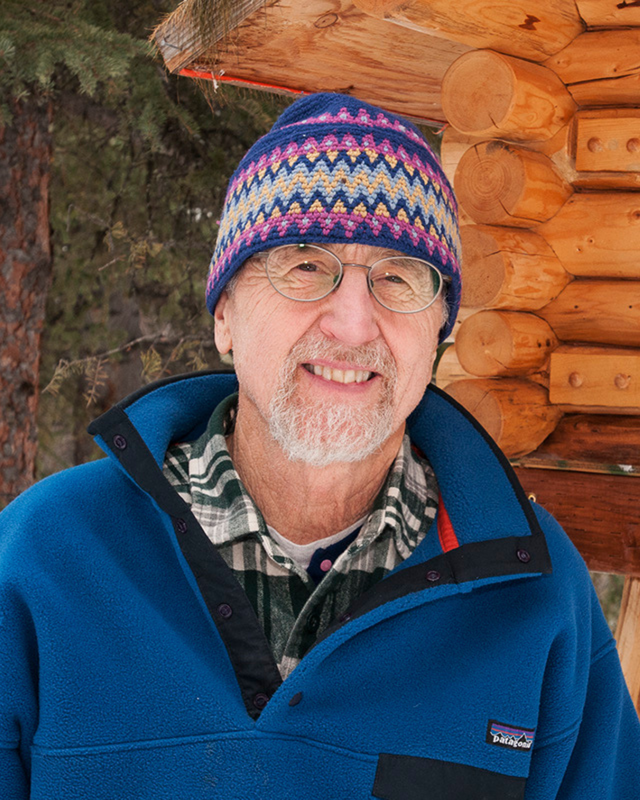
In the more than 60 years that Tom Walker has resided in Alaska, he has worked as a conservation officer, wilderness guide, wildlife technician, log home builder, documentary film advisor, photographer, book author, independent park historian, and adjunct professor of journalism at the University of Alaska.
Tom Walker is currently a full-time writer and photographer and regarded as one of Alaska’s premier nature photographers. His publication credits include Alaska Magazine, Field and Stream, Outdoor Life, Newsweek, Audubon and he has authored over a dozen books including three books of Denali National Park history. His book Caribou: Wanderer of the Tundra, won the 2000 Benjamin Franklin Book Award in the category of Nature and Environment. In 2006, Walker won the Alaska Conservation Foundation's Daniel Houseberg "Lifetime Achievement Award" for still photography. In 2013, the Alaska Historical Society awarded Walker the title "Historian of the Year" for his book The Seventymile Kid: The Lost Legacy of Harry Karstens and the First Ascent of Mount McKinley, the biography of Harry Karstens, first superintendent of Denali (then McKinley) National Park. His most recent book is The Wanderer: An Alaska Wolf’s Final Journey.
Emphasis:
Tom’s evening programs will blend ecology and history to tell a rich story about the early days of McKinley National Park and the changes through time. There will be tales of miners, hunters, explorers, climbers, and adventurers of all stripes, the people that pioneered the wilderness of Denali and how a small, otherwise insignificant gold discovery indirectly led to the establishment of Alaska’s first national park. He will also discuss changing attitudes towards wolves and their ecological role and scientific importance, and describe fascinating new evidence that connect Denali wolves to other regions far beyond the park boundaries.
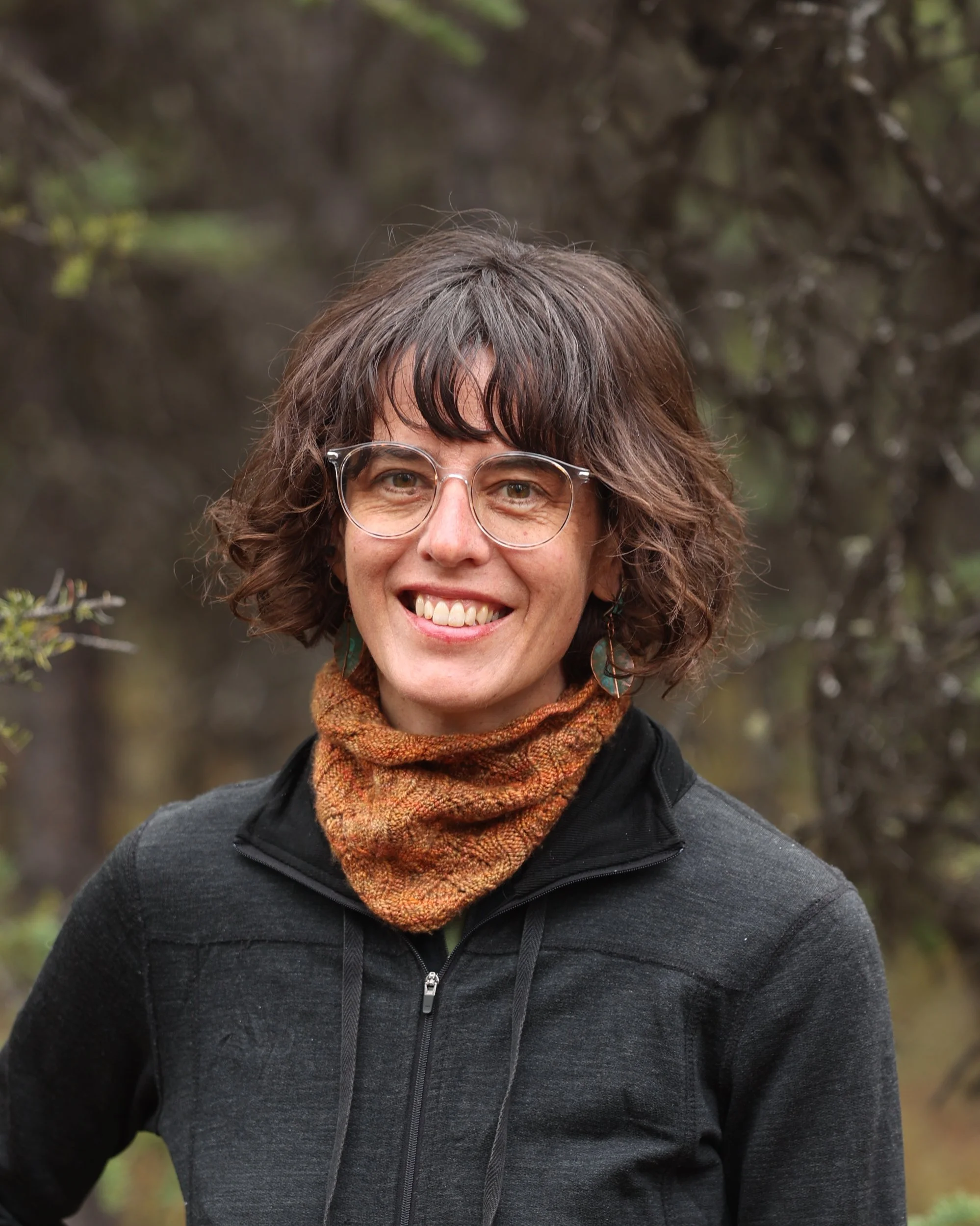
Erica Watson grew up primarily in the Southwestern US, in a National Park Service family. While studying poetry, Spanish, and women’s studies at the University of Arizona, she started spending summers doing seasonal work at Denali National Park. She has lived year round on the park’s boundary, on traditional Ahtna lands, since 2010.
Erica’s writing explores ideas of community, self, political action, and climate change at the intersection of the human and nonhuman worlds, and draws from experience living in lifelong intimacy with designated public lands. She works primarily in personal essay form, and is deeply informed by poetry, literary journalism, and political organizing. Erica has published essays, articles, and opinion pieces in national and regional Alaska journals, and recently authored the essay collection: Ghosts of Distant Trees (Nov 2025), which traces the layered ecologies of Denali National Park -- its vast, shifting landscape, seasonal labor rhythms, and the subtle politics of inhabitation.
Emphasis: Erica will read from her new book and share stories that will add richness to our experiences along the Park road, while highlighting the arc around climate change in Denali. She will discuss environmental literary traditions in Alaska and beyond, how they shape how we understand this land, and how they have impacted her own writing.
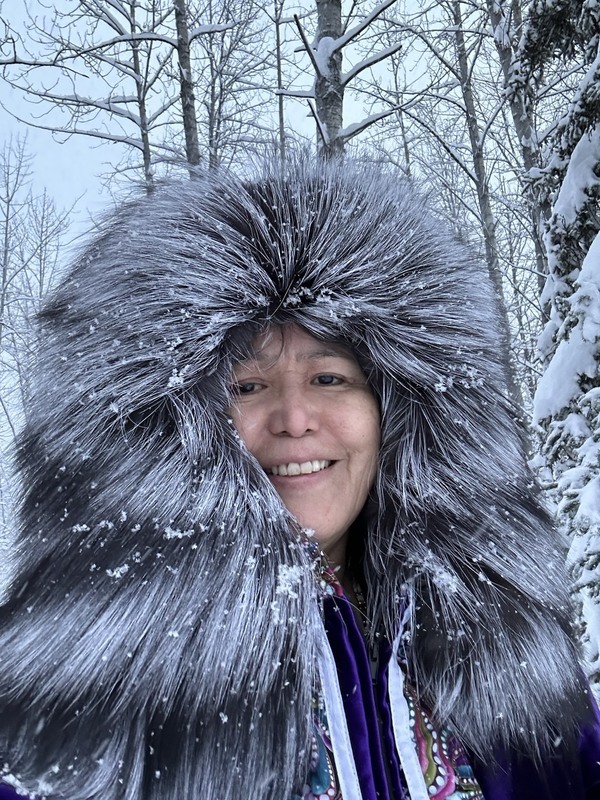
Susan Paskvan, known as “K’etsoo” in Denaakk’e (Koyukon Athabascan) is the daughter of Eliza and the late Benedict Jones of Koyukuk, Alaska.
She was the Native Language Coordinator of Yukon-Koyukuk School District, which serves ten Interior Alaska Schools. In this role, Susan taught Denaakk’e over two-way video-conference; developed the curriculum, lessons and materials; and coordinated professional development workshops for language speakers and educators.
She believes there is no greater joy than watching a child having fun learning their language.
Throughout her twenty years at Y-KSD Susan has worked with many elders, most often with her mother, Eliza Jones, to document Native place names throughout the Interior; genealogy; traditional memorial songs and stories. These hundreds of hours of recordings have led to an increase in the number of people who are able to sing their traditional songs at memorial potlatches.
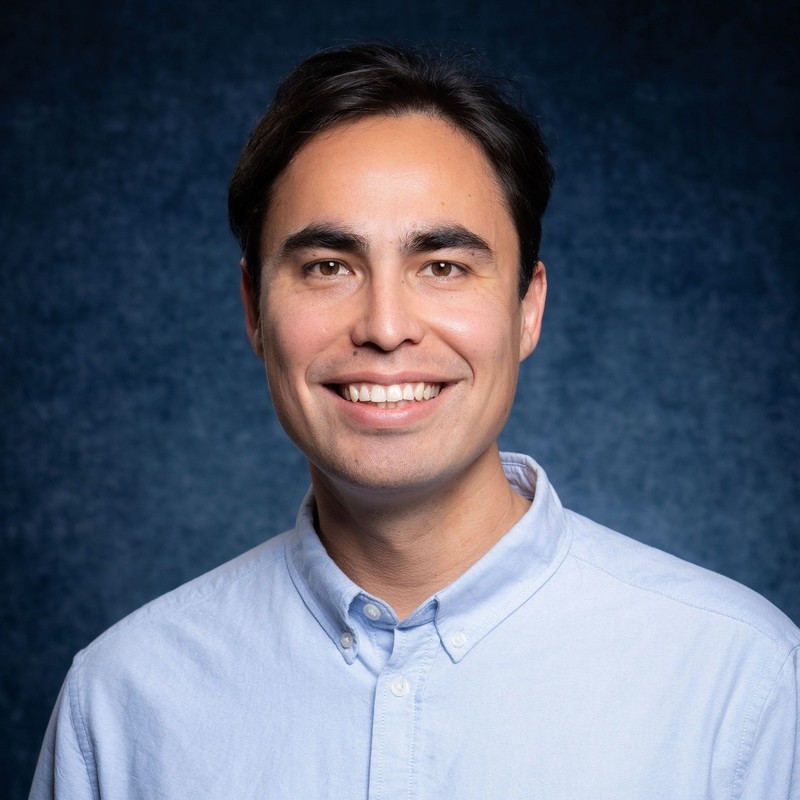
Jason Paskvan is Susan's son, the Energy and Climate Planning Specialist for Tanana Chiefs Conference, and a board member of the Alaska Conservation Foundation. He was born and raised in Fairbanks and is Koyukon Athabaskan from the village of Koyukuk.
Jason holds a bachelor’s degree in Mechanical Engineering from the University of Alaska Fairbanks and a Master of Engineering from the University of Michigan Dearborn. After completing graduate school, he spent several years in metro Detroit working on hybrid and electric vehicle systems. He later returned to Alaska to focus on energy and infrastructure projects that support rural communities. Jason lives in Fairbanks and spends much of his free time outdoors, particularly along the Yukon River and in Interior Alaska.
In his current work, Jason collaborates with Tribal governments and partners on solar energy, emissions reduction, and energy planning efforts, including federally funded programs focused on community-scale renewable energy.
Susan will do a presentation on traditional Athabascan origin stories, teach some bird songs, and discuss the revitalization of indigenous languages and Jason will present about his work in clean energy planning and project development across rural Alaska.
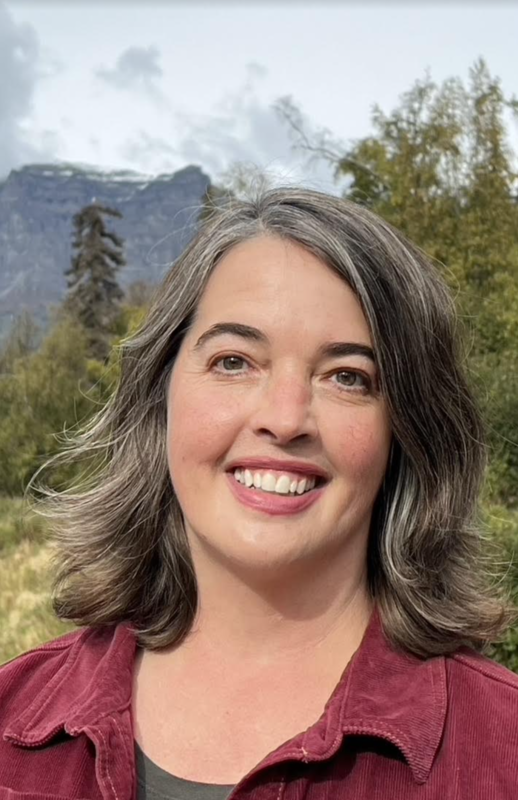
Eowyn (pronounced A-o-win) LeMay Ivey was raised in Alaska and continues to live there with her husband and two daughters. She worked for nearly a decade as a bookseller at independent Fireside Books in Palmer, Alaska, and prior to that as a reporter for the local newspaper, The Frontiersman.
Her new novel, Black Woods, Blue Sky was released February 2025. To the Bright Edge of the World was published in 2016. Her debut novel, The Snow Child, has sold more than a million copies worldwide and is a New York Times bestseller published in more than 25 languages. It was a finalist for the Pulitzer Prize, a UK National Book Award winner, an Indies Choice award for debut fiction, and a PNBA Book Award winner.
Emphasis:
During her evening programs, Eowyn will discuss her books and her writing process, focusing on how her life in Alaska and research adventures have informed her writing. She will focus on The Snow Child and Bright Edge one evening, and then on the second, talk about her newest book, with some choice readings during the talks.
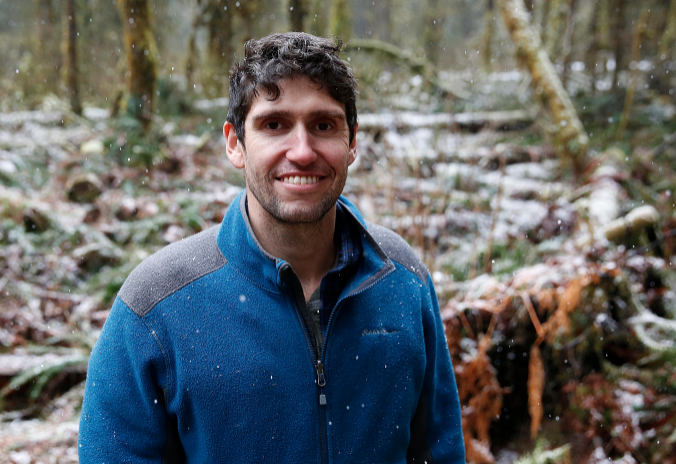
Ben Goldfarb is an environmental journalist and author whose work has appeared in National Geographic, The Atlantic, Smithsonian Magazine, The New Yorker, The Guardian, Orion Magazine, The Washington Post, Outside, and many other publications. He is the author of Crossings: How Road Ecology Is Shaping the Future of Our Planet, which was named one of the best books of 2023 by the New York Times and received the Rachel Carson Award for Excellence in Environmental Writing and the Banff Book Competition's Grand Prize. His previous book, Eager: The Surprising, Secret Life of Beavers and Why They Matter, won the PEN/E.O. Wilson Literary Science Writing Award. He is currently at work on a book about fish migration: its ecological and cultural importance, the forces that imperil it, and the people who are working to restore it. Ben lives in Colorado with his wife, his daughter, and his dog Kit — which is, of course, what you call a baby beaver.
Emphasis:
Ben will discuss the emerging science of road ecology and the wonderful world of beavers. Below are descriptions of his evening programs:
Crossings: How Road Ecology Is Shaping Our Planet — and Denali National Park: Some 40 million miles of roadways encircle the earth, yet we tend to regard them only as infrastructure for human convenience. While roads are so ubiquitous they’re practically invisible to us, wild animals experience them as alien forces of death and disruption. In his talk, Ben Goldfarb will discuss the ecological harms wrought by transportation, the management of the Denali Park Road, and where it fits in the global movement to create a safer world for all living beings.
Dam It: What's the Future of Alaska's Beavers? In his award-winning book Eager: The Surprising, Secret Life of Beavers and Why They Matter, Ben reveals the consequences of trapping millions of beavers from North America’s waterways: ponds drained, wetlands dried up, and species from salmon to swans lost vital habitat. In his talk, Ben will discuss the history and biology of this world-changing species; how beavers are helping to combat drought, flooding, wildfire, and climate change in the Lower 48; and what their northern range expansion means for Alaska's ecosystems.
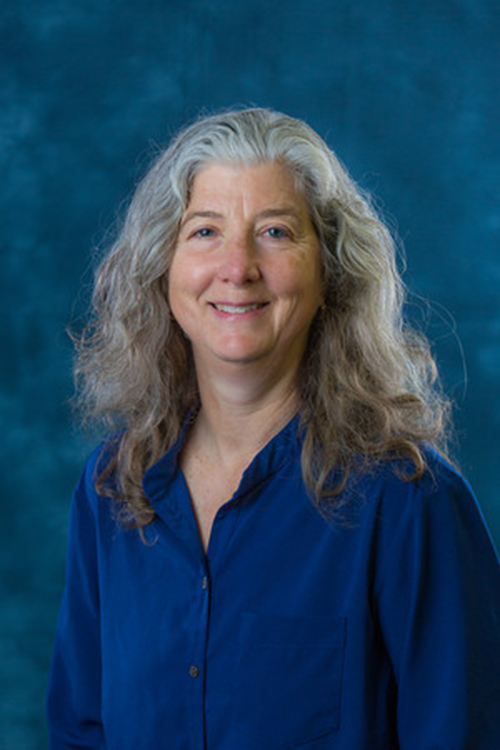
Alison York is an expert in Alaska fire ecology, tundra fire, fire management and science communication. She has lived in Alaska since 1986 and works with other scientists and managers to understand and address the impacts of environmental change in high latitudes. Alison is program coordinator for the Alaska Fire Science Consortium where she helps bridge the gap between boreal and arctic fire science delivery, outreach and application. She is based at the University of Alaska Fairbanks, and is affiliated with the International Arctic Research Center, and the Alaska Center for Climate Assessment and Preparedness.
Emphasis:
Alison will focus her presentations on fire ecology and climate change in Alaska and the North. She will explore and help guests interpret the fire history of Denali National Park, as well as speak about climate change more broadly and its tremendous impacts in Alaska. With a long and varied career managing numerous large-scale science projects across the state for most of her career, she will bring a personal lens to understanding some big and quite diverse projects and share interesting lessons from those experiences.
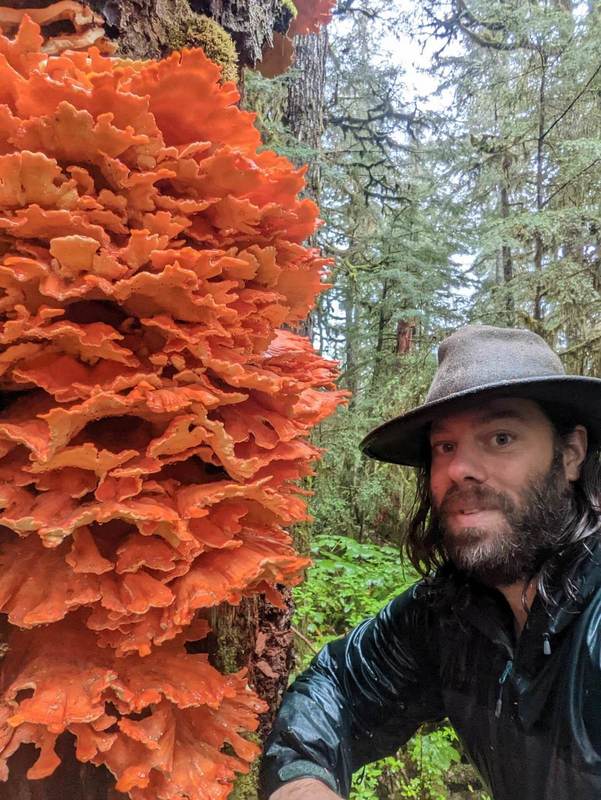
Noah is one of North America’s foremost field mycologists; he has spent over three decades seeking, photographing, identifying, and furthering his knowledge about all aspects of fungi. He travels and lectures extensively across America, following the mushrooms from coast to coast. Noah was the recipient of the 2022 North American Mycological Association’s Award for Contributions to Amateur Mycology. His primary research interest is on the taxonomy and systematics of fungi.
He authored, along with Christian Schwarz, Mushrooms of the Redwood Coast, a Comprehensive Guide to the Fungi of Coastal Northern California and Mushrooms of Cascaida, a Comprehensive Guide to Fungi of the Pacific Northwest, as well as A field Guide to the Rare Fungi of California's National Forests.
His newest book is Mushrooms of Alaska, with Steve Trudell and Kate Mohatt.
Emphasis:
Noah's presentations will focus on the identification and importance of mushrooms in Alaska. His presentations will be accessible and beginner-friendly, and he will be be present on field excursions during peak fungus season.
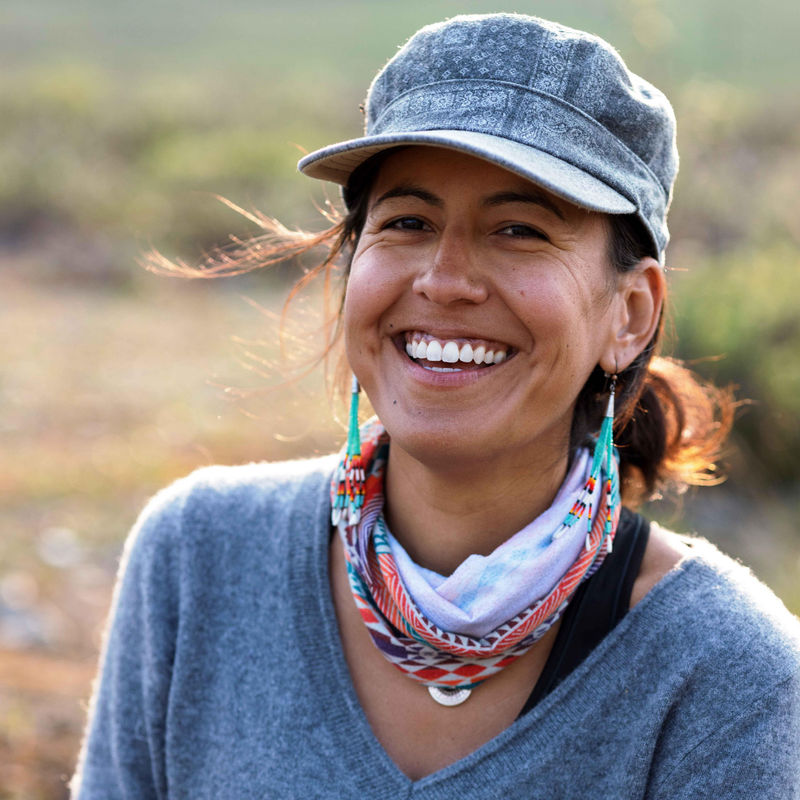
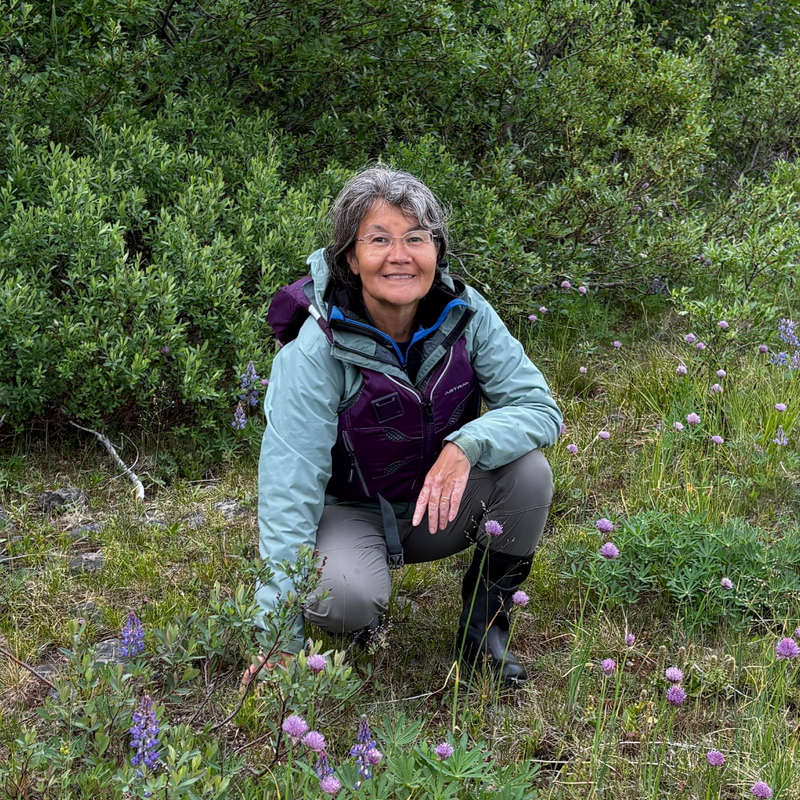
Danielle is of Dena’ina and Koyukon Athabascan descent and was raised in both rural and urban areas of Alaska. She received her Bachelor of Science degree in Environmental Science from the University of Hawaii at Hilo. She began her professional career in the northern regions of Alaska, assisting in the documentation of Traditional Ecological Knowledge of polar bears. Over the last decade she worked across Alaska advocating for local and cultural subsistence rights, diversity, equity and inclusion in public policy forums and meetings, and acted as a liaison between tribes and state and federal entities.
In her free time, Danielle enjoys teaching and practicing yoga, beading for her small business - Dena’ina Dreams, playing with her nieces, traveling, harvesting salmon, picking berries, and spending time out on the land.
Karen Evanoff is of Dena’ina descent with ancestry around Qizhjeh Vena, Iliamna/Pedro Bay, and Stony River. Her academic background includes an undergraduate degree in Anthropology and a Master's degree focusing on interdisciplinary topics in Dena’ina education and traditional knowledge. Her life experiences are woven intricately from growing up close to the natural world. She has had many visions for projects and programs over the years, often influenced by Indigenous Elders, and has pooled resources to bring these ideas into the world.
Together they, along with two other partners, founded Qizhjeh Vena Alaska; a nonprofit working towards creating a world-class gathering center inspired by Dena’ina values and culture. Their holistic approach will nurture the next generation of leaders, educators, and inspired individuals within and beyond the Dena’ina community. Qizhjeh Vena, ‘a place where people gathered lake,’ is the original Dena’ina Athabascan name of Lake Clark.
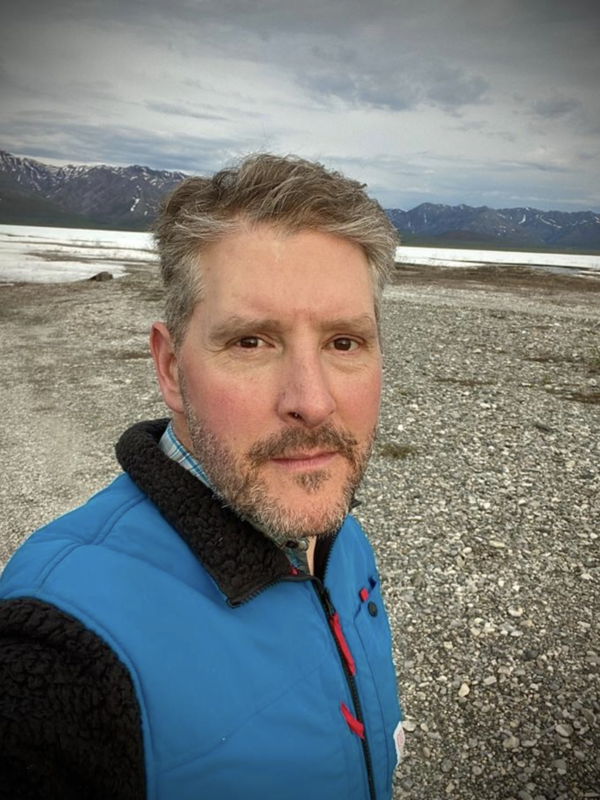
David W. Shaw splits his time between Fairbanks, Alaska and Salida, Colorado. He is a professional photographer and writer specializing in conservation imagery, science communication, and educating others about the art of photography. He has both undergraduate and master’s degrees in wildlife biology and applies this background to create in-depth stories of the natural world.
He has written over 100 articles for publications across the world. His images and writing about science and natural history have appeared in magazines like Sierra, Living Bird, UnDark, Defenders, Ensia, Resurgence and Ecologist, Birds and Blooms, Birdwatcher’s Digest, Birdwatching, Alaska, and others. His instructional photography articles have been published in Shutterbug, Photographic, Photo Technique, Professional Photographer, Amateur Photographer and others. Dave is also an instructor at the Digital Photography School and Expert Photography. He leads small-group, active-learning photography workshops, and natural history tours in Alaska and abroad.
Emphasis:
Dave will lead hands-on photography workshops, combining instruction in technique with immersive time in the field. Guests will join him on guided hikes into Denali’s tundra and wilderness, where he will share tips for capturing the park’s dramatic landscapes, wildlife, and ever-changing light. With his background in both wildlife biology and conservation photography, Dave will also highlight how imagery can tell deeper stories of the natural world.